
Dog Wellness and Preventive Care in Scottsdale, AZ
Keeping your dog healthy is not just about treating illness when something goes wrong. At The Scottsdale Veterinary Clinic, our dog preventative care focuses on regular wellness exams, puppy care, dog vaccinations, dog nutrition, dog exercise, parasite prevention, heartworm testing, dog deworming, and dog microchipping. As your dog veterinarian in Scottsdale, we use these visits to establish what is normal for your dog, watch for subtle changes, and make recommendations based on age, breed, lifestyle, and health history. Preventive care gives us more opportunities to catch problems early and help your dog stay active, comfortable, and healthy for as long as possible.
Wellness Exams Give Us a Baseline for Your Dog’s Health
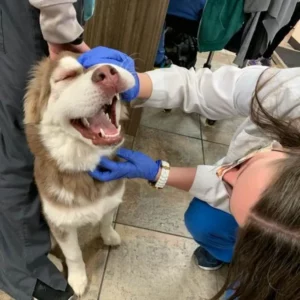
A wellness exam is a head-to-tail evaluation that helps us understand your dog before a major problem appears. Our clinic recommends comprehensive wellness examinations every six months, although the exact schedule can vary depending on age and medical needs. During the visit, we may examine the eyes, ears, mouth, lymph nodes, skin, paws, musculoskeletal system, abdomen, reproductive organs, heart, and lungs while also discussing changes you have noticed at home.
We may also recommend blood work, fecal testing, heartworm screening, urinalysis, X-rays, ultrasound, skin testing, or ear cytology when appropriate. Establishing baseline information is especially useful because dogs can hide discomfort surprisingly well. A new heart murmur, weight change, dental problem, or abnormal laboratory value is easier to recognize when we know what has been normal for that individual dog in the past.
Puppy Care Starts Early
Puppy care lays the groundwork for health, behavior, and routine throughout adulthood. We generally recommend an initial veterinary visit between about six and nine weeks of age, depending on when you bring the puppy home and which vaccines or treatments have already been given. Early appointments allow us to assess growth, begin preventive protocols, check for parasites or congenital concerns, and help you establish routines for nutrition, training, exercise, and oral care.
Puppies commonly experience gastrointestinal problems, intestinal worms, skin conditions, respiratory infections, and other illnesses, so appetite, stool quality, activity level, coughing, sneezing, vomiting, or diarrhea are worth watching closely. We also encourage owners to bring any vaccination and deworming records provided by the breeder, rescue, or shelter so we can build the next steps around what your puppy has already received.
Dog Vaccinations Should Match Lifestyle and Risk
Dog vaccinations help the immune system recognize and respond to serious infectious diseases. Our clinic identifies parvovirus, distemper, leptospirosis, and rabies among the core diseases we work to protect against, while additional vaccines may be recommended based on lifestyle. Dogs that regularly visit boarding facilities, groomers, dog parks, or daycare may need Bordetella or influenza protection, while dogs with substantial outdoor exposure may have other vaccination considerations.
Puppy vaccines commonly begin around six to eight weeks of age and are boosted at regular intervals during the first few months as maternal immunity fades. We want to keep puppies protected while still allowing safe socialization with healthy, appropriately vaccinated dogs. Until the initial vaccination series is complete, we generally recommend avoiding high-traffic areas where unknown dogs may leave urine or feces behind.
Dog Nutrition Changes With Age, Activity, and Health
There is no single diet that is ideal for every dog. Dog nutrition depends on age, breed, body condition, activity level, medical history, and reproductive status, which is why feeding recommendations may change throughout life. We look at the type of food being fed, portion sizes, treats, supplements, feeding schedule, and body condition when deciding whether dietary changes may be helpful.
A healthy diet provides water, proteins, fats, carbohydrates, vitamins, and minerals in appropriate proportions. Signs that nutrition may need attention include unexpected weight gain or loss, low energy, digestive problems, or changes in skin and coat quality. Scheduled meals can also make portion control and health monitoring easier, although some dogs with specific medical or feeding needs may require a different approach.
Exercise Should Fit the Dog, Not a Generic Schedule
Dog exercise supports cardiovascular health, digestion, healthy weight, stronger muscles and bones, better sleep, and behavioral well-being. It also provides mental stimulation and interaction with the family, which can help reduce boredom-related behaviors. The right activity level depends heavily on age, breed, physical condition, and personality, so a young high-energy working breed may need something very different from a senior dog or short-nosed breed.
Adult dogs may benefit from at least 30 minutes of exercise daily, but that is only a general starting point. Puppies need lighter activity while their bones are developing, and senior dogs may require lower-impact exercise because of arthritis or reduced stamina. Arizona heat also makes timing important, so indoor games, food puzzles, training exercises, and other forms of mental stimulation can be especially useful when outdoor temperatures make longer walks unsafe.
Fleas and Ticks Can Affect Indoor Dogs Too
Fleas and ticks are more than a nuisance because they can contribute to skin disease, anemia, tapeworm exposure, and several infectious illnesses. Even primarily indoor dogs can encounter fleas or ticks when parasites come inside on people, other pets, or wildlife, or when dogs pick them up during walks and outings. That makes consistent prevention more reliable than waiting until you find a parasite.
Prevention options can include oral, topical, and wearable products, and the right choice depends on your dog’s age, breed, health, and lifestyle. We recommend discussing flea and tick products with our veterinary team rather than assuming an over-the-counter product is appropriate. Some dogs have individual sensitivities, and prescription options often provide more consistent protection and veterinary oversight.
Heartworm Prevention Is Easier Than Heartworm Treatment
Heartworm disease is transmitted through mosquito bites and can damage the heart, pulmonary arteries, lungs, and other organs. Early infections may cause no obvious symptoms, which is why annual testing is important even for dogs that appear completely healthy. As disease progresses, coughing, lethargy, shortness of breath, exercise intolerance, swelling, and other serious complications may develop.
Heartworm prevention works by killing immature parasites before they can develop into adults. Preventive options include oral, topical, and injectable products, and we can help determine which approach fits your routine. Because mosquitoes are part of life in warm climates, consistent prevention remains an important part of dog preventative care rather than something to think about only when symptoms appear.
Dog Deworming Protects Pets and Families
Dogs can develop internal parasites such as roundworms, hookworms, tapeworms, and whipworms. These parasites may cause vomiting, diarrhea, weight loss, poor growth, anemia, pale gums, or a distended abdomen, although some infections produce few visible signs. Several intestinal parasites are also zoonotic, meaning they can pose risks to people as well as other animals.
Fecal testing is one of the most common ways we look for intestinal parasites because worms or eggs are not always visible in stool. Dog deworming is then selected based on the parasite involved, along with your dog’s age, size, health history, and risk factors. We recommend veterinary guidance before choosing a dewormer because different products target different parasites.
Microchipping Adds Permanent Identification
Dog microchipping provides permanent identification if a collar or tag becomes lost. A microchip is about the size of a grain of rice and is implanted beneath the skin, usually around the neck or shoulder area. It does not contain GPS, but it carries a unique identification number that veterinary clinics, shelters, and other organizations can scan if your dog is found.
The procedure is quick and causes only brief discomfort similar to a vaccination. The most important step afterward is keeping your contact information current in the microchip registry, because the chip is only useful when the associated details lead back to you. We view microchipping as an extra layer of protection alongside a properly fitted collar and identification tag.
Frequently Asked Questions
We recommend comprehensive wellness exams every six months for many dogs, although age and medical history can change the schedule. Senior dogs and dogs with ongoing conditions may need more frequent monitoring.
Puppies are commonly seen for their first examination and preventive care between six and nine weeks of age. The timing may vary depending on age, previous vaccinations, and deworming history.
Yes. Indoor dogs can still encounter fleas, ticks, and mosquitoes through walks, people, other pets, or wildlife around the home. We can recommend prevention based on your dog’s individual exposure and lifestyle.
Exercise needs depend on age, breed, health, and energy level. We can help you choose an activity routine that supports fitness without overworking growing puppies, senior dogs, or pets with physical limitations.
Tags and collars can fall off or be removed, while a microchip remains with your dog. Keeping the registration information current gives shelters and veterinary clinics another way to reconnect you if your pet becomes lost.
Build a Healthier Routine for Every Stage of Your Dog’s Life
Preventive care works best when it becomes part of your dog’s routine rather than something you think about only after illness appears. At The Scottsdale Veterinary Clinic, we bring wellness exams, puppy care, dog vaccinations, nutrition, exercise guidance, parasite control, heartworm prevention, deworming, and microchipping together into an individualized plan. We also always consider your dog’s lifestyle, age, environment, and medical history so recommendations stay practical and relevant. So be sure to call us at (480) 945-8484 to schedule a wellness visit and build a preventive care plan with our Scottsdale veterinary team.