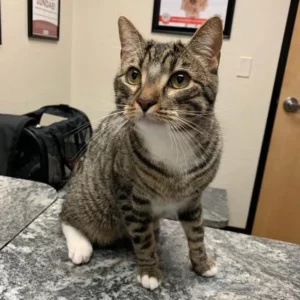

Cat Medical Care in Scottsdale, AZ
Cats have a reputation for being independent, but they can be surprisingly difficult to read when something is wrong. At The Scottsdale Veterinary Clinic, our cat medical care in Scottsdale focuses on identifying subtle changes, finding the cause, and building treatment around the individual cat rather than one symptom alone. Whether your cat is dealing with allergies, skin irritation, pain, behavioral changes, heart disease, eye problems, or a possible cancer diagnosis, our team provides thoughtful medical evaluation and clear guidance. As your cat veterinarian in Scottsdale, we want you to understand what we find and what comes next.
Medical Care Starts With Paying Attention to Small Changes
Cats often hide illness and pain until a condition has progressed, which means seemingly minor changes can be meaningful. Sleeping more, hiding, eating differently, missing the litter box, becoming irritable, or suddenly avoiding favorite activities may all provide clues about an underlying health problem. We encourage owners to contact us when a behavior or physical change persists, particularly when it involves appetite, urination, breathing, mobility, or obvious discomfort.
Our diagnostic process begins with your observations, your cat’s history, and a complete physical examination. Depending on what we find, additional testing may include bloodwork, urinalysis, X-rays, ultrasound, cytology, or other diagnostics appropriate to the concern. We do not assume a behavioral or visible symptom tells the entire story because many feline conditions can look very similar at home.
Allergy and Skin Care for Itching, Hair Loss, and Irritation
Allergies can affect the skin, respiratory system, digestive tract, ears, and paws. Cats may develop persistent itching, excessive grooming, hair loss, irritated skin, sneezing, coughing, eye discharge, vomiting, diarrhea, or recurring ear problems. Possible triggers include fleas, foods, environmental allergens, and contact with certain materials, but those symptoms can also occur with infections, parasites, and other medical conditions.
Skin disease requires the same careful approach because a visible rash does not automatically reveal its cause. We may use skin or ear cytology, fungal testing, food trials, biopsies, or other diagnostics depending on your cat’s symptoms. Ringworm, mites, allergies, secondary infections, and even certain cancers can affect feline skin, so professional evaluation is much safer than trying over-the-counter treatments that may be ineffective or inappropriate for cats.
When Behavior Changes May Actually Be Medical
Cats are creatures of habit, so a sudden change in behavior deserves attention. Increased vocalization, litter box avoidance, appetite or thirst changes, unusual aggression, restlessness, excessive sleeping, and changes in scratching behavior can sometimes be caused by stress, but they may also signal pain or disease. We first look for medical explanations before assuming the issue is purely behavioral.
If the physical exam and initial testing do not identify a medical cause, we may explore environmental factors such as a recent move, a new pet, a litter change, a different food, or disruption to the household routine. Solutions may include environmental enrichment, additional litter boxes, stress reduction, medication, or other individualized strategies. This combined medical and behavioral perspective is important because stress itself can contribute to problems such as inappropriate urination, bladder inflammation, aggression, and refusal to eat.
Cat Heart Disease and Cardiac Evaluation
Feline heart disease can be particularly challenging because some cats show few obvious signs until the condition becomes advanced. Hypertrophic cardiomyopathy is a common acquired heart disease in cats, while other concerns can include high blood pressure, inflammation of the heart muscle, and arterial blood clots. Symptoms may include reduced activity, poor appetite, weight loss, faster or more difficult breathing, weakness, collapse, or sudden problems involving the hind legs.
When we suspect a cardiac problem, evaluation may involve a physical examination, blood pressure measurement, blood testing, chest X-rays, ECG, or referral for an echocardiogram and more specialized cardiology testing. Regular veterinary exams can sometimes detect a murmur or other abnormality before an owner notices symptoms at home, which is one reason ongoing medical care remains important even for cats that seem outwardly healthy.
Cat Cancer Care Begins With Early Detection
Cancer can affect cats in many different ways, and the symptoms are not always dramatic. Lumps, non-healing wounds, unexplained weight loss, appetite changes, decreased energy, unusual discharge, coughing, breathing problems, bathroom changes, pain, and excessive hiding may all warrant investigation. Common feline cancers include lymphoma, mast cell tumors, squamous cell carcinoma, and bone cancer, although many non-cancerous conditions can produce similar signs.
Diagnosis may involve bloodwork, urine testing, fine needle aspirates, X-rays, ultrasound, CT, MRI, cytology, or biopsy depending on where the concern is located. If cancer is diagnosed, potential treatment can include surgery, chemotherapy, radiation therapy, immunotherapy, or medication based on the cancer type and the individual patient. Early diagnosis can provide more treatment options and allows us to have a clearer conversation about prognosis, comfort, and quality of life.
Eye Problems Need Prompt Veterinary Attention
Eye conditions are one area where waiting can create serious consequences. Squinting, redness, swelling, discharge, cloudiness, pawing at the eye, changes in pupil size, or one eye suddenly looking different from the other should be evaluated promptly because feline eye disease can progress quickly and may threaten vision.
Our eye evaluations may use specialized lights and lenses, corneal stains to detect scratches or ulcers, tear testing, and other examination techniques. Some conditions require topical medication, while more complicated cases may need referral to a veterinary ophthalmologist. Because scratches, infections, glaucoma, uveitis, allergies, and systemic illnesses can sometimes produce overlapping symptoms, we strongly discourage treating an eye problem based on appearance alone.
Pain Management That Accounts for How Cats Hide Discomfort
Pain can be easy to miss in cats because many become quieter rather than obviously distressed. Hiding, reduced activity, difficulty jumping, aggression when touched, litter box changes, increased vocalization, or eating and drinking less can all signal discomfort. Injuries, arthritis, gastrointestinal disease, cancer, surgery, and age-related changes are among the many possible causes.
We evaluate pain through your cat’s history, physical examination, mobility, range of motion, and response to gentle palpation. Treatment is individualized because cats process medications differently and there is no single pain medicine appropriate for every situation. Depending on the cause, care may involve medications, supplements, supportive therapy, or a multimodal plan designed to improve comfort while addressing the underlying disease.
Medical Decisions With Quality of Life in Mind
For cats with chronic disease, advanced cancer, severe pain, or age-related decline, medical care sometimes becomes focused on comfort rather than cure. We help families evaluate eating, mobility, pain, bathroom habits, engagement, and whether their cat is having more good days than bad. Keeping a simple written record of those changes can make gradual decline easier to recognize over time.
These conversations can be difficult, which is why we believe owners should have clear veterinary guidance rather than feel as though they are making decisions alone. If comfort can still be maintained, we can discuss pain relief and supportive care. When suffering can no longer be adequately controlled, we can also talk compassionately about end-of-life options and what to expect.
Frequently Asked Questions
If a noticeable change lasts more than a day or two, especially changes in appetite, urination, activity, or aggression, schedule an examination. Cats often hide illness, so behavioral changes may be an early medical sign.
We recommend veterinary evaluation before treating them yourself. Allergies, parasites, fungal disease, infections, and other conditions can look similar, and some over-the-counter products may be unsafe or inappropriate for cats.
They can be. Squinting, redness, discharge, cloudiness, swelling, or sudden visual changes should be checked promptly because certain eye diseases and injuries can worsen quickly and threaten vision.
Watch for increased hiding, reduced jumping, lower activity, aggression when touched, unusual vocalization, appetite changes, or changes in litter box behavior. Cats often conceal pain, so subtle changes deserve attention.
Diagnosis depends on the suspected condition and may include bloodwork, imaging, fine needle aspiration, cytology, or biopsy. We choose testing based on your cat’s symptoms, exam findings, and the location of the concern.
Get Answers When Something Does Not Seem Right
You know your cat’s normal routines better than anyone, and noticing that something has changed is often the first step toward finding a medical problem. At The Scottsdale Veterinary Clinic, we provide comprehensive feline care for allergies, skin disease, pain, behavior changes, heart concerns, eye conditions, cancer, and other health issues with an emphasis on careful diagnosis and understandable recommendations. Our team is also available 24 hours, and free technician telemedicine triage is available by phone around the clock. So don’t wait: call (480) 945-8484 or schedule a visit with our Scottsdale team when your cat needs medical attention.