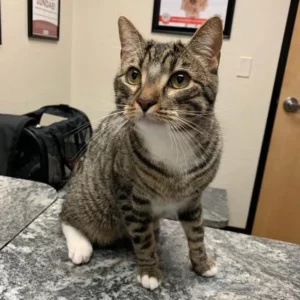

Cat Wellness and Preventive Care in Scottsdale, AZ
Cats are incredibly good at hiding discomfort, which is one reason preventive veterinary care matters so much. At The Scottsdale Veterinary Clinic, our cat veterinary care focuses on helping kittens, adult cats, and seniors stay healthier through regular wellness exams, vaccinations, nutrition guidance, parasite prevention, screening, and early detection. As your Scottsdale cat vet, we want to understand what is normal for your cat so subtle changes are easier to recognize over time. From a kitten’s first appointments through senior wellness care, our goal is to make proactive health management a consistent part of your cat’s life.
Preventive Care Starts With Regular Wellness Exams
Cats do not always show obvious symptoms when something is wrong, and by the time an owner notices hiding, appetite changes, or unusual behavior, a health problem may already be progressing. Routine wellness appointments give us an opportunity to assess your cat before there is an obvious illness and establish health information we can compare from visit to visit. Preventive care can include physical examinations, vaccines, nutrition, dental health, parasite control, laboratory screening, grooming and hygiene considerations, and guidance about enrichment and behavior.
During a feline wellness exam, we evaluate your cat from head to tail. Depending on the individual patient, that may include the eyes, ears, mouth and teeth, skin, musculoskeletal system, neurologic function, abdomen, heart, and lungs. We also look for concerns such as lumps, skin irritation, dental disease, pain, parasites, eye changes, and abnormal heart or respiratory sounds. Additional bloodwork, urine testing, fecal testing, imaging, or other diagnostics may be recommended depending on your cat’s age, medical history, and lifestyle.
Kitten Care Builds the Foundation for a Healthy Start
Bringing home a kitten means more than choosing food, toys, and a litter box. Young cats need a carefully timed series of veterinary visits to monitor development, screen for problems, begin parasite prevention, and establish protection against infectious disease. Our clinic recommends beginning kitten veterinary care at roughly 6 to 8 weeks of age, with vaccine visits continuing through the early months as the immune system develops.
Kitten preventive care may include:
- Physical wellness examinations
- Core vaccinations
- FIV and FeLV screening when appropriate
- Fecal testing for intestinal parasites
- Flea, tick, and other parasite prevention
- Nutrition and growth guidance
- Discussions about spaying or neutering
- Behavior, socialization, and home-care advice
- Microchipping for permanent identification
We also encourage new kitten owners to bring available adoption records, vaccine history, medication information, and a stool sample when requested. These early appointments give you a chance to ask questions about feeding, litter habits, behavior, handling, and anything else that helps your kitten transition into a healthy adult cat.
Nutrition Changes as Your Cat Grows
What your cat eats plays a meaningful role in growth, body condition, muscle health, hydration, and overall wellness. Cats are obligate carnivores, which means they require nutrients associated with animal tissue, including adequate protein, amino acids, fats, vitamins, and minerals. Fresh water should also remain available, and diet choices should be adjusted over time as energy requirements and health needs change.
Kittens need nutrition that supports rapid growth and high energy demands, while adult and senior cats may need different calorie levels or dietary adjustments based on metabolism, activity, body condition, or medical concerns. We can also help evaluate possible nutritional problems when a cat develops weight changes, digestive issues, poor coat quality, chronic itching, or other symptoms that may be related to diet. Rather than relying on a one-size-fits-all feeding recommendation, we look at the individual cat and help owners make choices that support long-term health.
Flea, Tick, Heartworm, and Intestinal Parasite Prevention
Indoor cats are not automatically protected from parasites. Fleas and ticks can enter the home on people or other pets, while intestinal parasites may be acquired through several exposure routes. Fleas can cause intense itching, skin problems, anemia in severe cases, and may transmit tapeworms if swallowed during grooming. Ticks can also transmit disease, which is why prevention remains important even for cats that spend most of their lives indoors.
Heartworm disease is another concern because cats can become infected through mosquito bites. Cats are not typical heartworm hosts, but even immature worms can contribute to significant respiratory disease, and prevention is generally much easier than managing infection after it occurs. Intestinal parasites such as roundworms, hookworms, and tapeworms can cause vomiting, diarrhea, appetite changes, weight loss, bloating, and other gastrointestinal problems, although mildly infected cats may show few obvious signs. Preventive products and routine fecal screening can be incorporated into your cat’s wellness plan based on risk and lifestyle.
Senior Cat Care Requires a Closer Look
As cats age, their risks change. Senior cats may become less active, sleep more, have trouble jumping, groom themselves less effectively, or develop gradual weight and appetite changes that are easy to dismiss as normal aging. Older cats are also more likely to experience conditions such as kidney disease, hyperthyroidism, diabetes, arthritis, heart disease, and other chronic health problems.
That is why senior wellness care often involves more frequent monitoring and may include routine laboratory testing in addition to physical examinations. Bloodwork and other diagnostics can help establish trends before an illness becomes obvious at home. We also review nutrition, mobility, hydration, behavior, weight, and changes in daily habits because seemingly small differences can provide useful clues about an older cat’s health.
Microchipping Adds Permanent Identification
Even a strictly indoor cat can slip through an open door, escape during a move, or become separated from the family during an unexpected event. A collar and identification tag are helpful, but they can fall off. Microchipping provides an additional permanent form of identification that can be scanned by veterinary clinics and shelters if a lost cat is found.
The microchip itself contains a unique identification number linked to the owner’s contact information in a registry. Placement is quick, typically does not require anesthesia, and causes only brief discomfort similar to an injection. Keeping the registration information current is just as important as placing the chip, so owners should update their phone number or address whenever those details change.
Cat Wellness Care Should Change With the Individual
Preventive care is not a checklist that stays exactly the same throughout your cat’s life. A young indoor kitten, an adult cat that spends time outdoors, and a 15-year-old senior all have different risks and health priorities. We tailor recommendations based on age, lifestyle, medical history, diet, exposure risks, and findings from previous examinations.
Our cat veterinary care may include:
- Kitten wellness and vaccine visits
- Adult and senior wellness exams
- Preventive laboratory screening
- Nutrition and weight management guidance
- Flea and tick prevention
- Heartworm prevention
- Fecal testing and deworming
- Dental health discussions
- Microchipping
- Lifestyle and behavior guidance
That individualized approach helps us focus on what your cat actually needs while avoiding recommendations that do not fit their circumstances. It also gives you an ongoing relationship with a veterinary team that can notice meaningful changes as your cat moves from one life stage to the next.
Frequently Asked Questions
Healthy adult cats should generally receive at least one wellness examination each year, although twice-yearly care may be beneficial. Kittens require more frequent visits during their initial vaccine series, and senior or medically complicated cats may also need closer monitoring.
Yes. Fleas, ticks, mosquitoes, and some intestinal parasites can still reach indoor cats through people, other animals, or accidental outdoor exposure. We can recommend a prevention plan based on your cat’s individual risks.
Bring any adoption or medical records, known vaccine history, information about current food, and a list of medications or supplements. We may also ask you to bring a fresh stool sample for parasite screening.
Senior care becomes increasingly important as cats age, and their risk for chronic disease rises. We may recommend more frequent examinations and screening tests based on your cat’s age, health history, behavior, and physical findings.
Yes. Indoor cats can still escape unexpectedly, and a microchip provides permanent identification even if a collar or tag is lost. Keeping the associated registry information current is essential.
Help Your Cat Stay Healthier at Every Life Stage
Preventive care gives us the opportunity to learn what is normal for your cat, identify changes earlier, and adjust recommendations as their needs evolve. At The Scottsdale Veterinary Clinic, we support kittens, adults, and senior cats with wellness exams, nutrition guidance, parasite prevention, screening, microchipping, and individualized veterinary recommendations. And because cats often hide illness so well, staying proactive can be one of the most useful things you do for their long-term health. So don’t wait: be sure to call us at (480) 945-8484 or schedule an appointment with our Scottsdale cat vet team to build a preventive care plan around your cat.