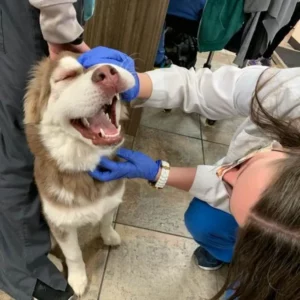

Dog Medical Care in Scottsdale, AZ
Dogs cannot tell us where it hurts, what changed, or how long something has been bothering them, so medical care often starts with the details you notice at home. At The Scottsdale Veterinary Clinic, we evaluate concerns involving dog allergies, dog behavior, dog cancer, dog cardiology, dog dermatology, dog eye care, dog pain management, dog end of life care, and dog ear infection. Our medical approach combines physical exams, diagnostics, treatment, and ongoing monitoring based on what each patient actually needs. We want to identify the cause, explain the findings clearly, and help your dog feel better as efficiently as possible.
Dog Allergies and Chronic Itching
Dog allergies can affect the skin, ears, digestive system, and overall comfort. Common causes include fleas, environmental allergens such as pollen, mold spores, and dust mites, and less commonly, ingredients in food. Allergic dogs may scratch, lick, chew their feet, develop hives, lose hair, experience recurring ear infections, or develop red and inflamed skin. Vomiting, diarrhea, sneezing, watery eyes, and swelling can also occur in some cases.
Because allergy symptoms overlap with infections, parasites, and other conditions, we do not recommend relying on at-home allergy tests or self-diagnosis. Depending on the situation, testing may include blood tests, intradermal allergy testing, or a carefully controlled elimination diet for suspected food allergy. Treatment can include veterinary anti-itch medications, therapeutic shampoos, environmental management, and allergen-specific immunotherapy for selected patients.
Dog Dermatology for Skin, Coat, and Ear-Related Problems
Dog dermatology covers much more than itching. We evaluate hair loss, red skin, scabs, raised bumps, lesions, recurrent infections, paw chewing, and skin discomfort caused by allergies, parasites, endocrine disorders, yeast, bacteria, or autoimmune disease. Some problems are short-term and treatable, while allergies and certain autoimmune conditions may require ongoing management.
Our diagnostic process may include skin scrapings, microscopic evaluation, hair testing for fungal disease, and ear cytology when ear inflammation is present. Secondary bacterial or fungal infections often develop when a dog repeatedly scratches or chews irritated skin, so treating only the infection without identifying the underlying trigger can lead to recurrence. We focus on both the immediate discomfort and the reason the skin problem keeps coming back.
Dog Ear Infection Care That Looks for the Cause
A dog ear infection, or otitis externa, affects the outer ear canal and can become a recurring problem. Our clinic guide identifies allergies as a leading cause, but water trapped after swimming or bathing, foreign material, excess hair, trauma, and ear mites can also contribute. Dogs may shake their heads, scratch their ears, show discomfort when the ears are touched, or develop discharge and odor.
Treatment depends on what we find and may involve topical medication, ear cleaning, antibiotics, antifungal medication, anti-inflammatory treatment, allergy management, or a deeper ear flush under sedation or anesthesia. Some dogs also benefit from longer-lasting medication placed directly in the ear when home treatment is difficult. Chronic ear infections can take significant time to control and may contribute to complications such as head tilt, facial hot spots, or ear hematomas if the underlying problem is not addressed.
Behavior Changes Can Be Medical Clues
Dog behavior problems can include barking, chewing, digging, aggression, anxiety, leash pulling, compulsive activity, or destructive habits. Training and behavior modification can make a meaningful difference, especially when started early, but sudden personality or behavior changes also deserve a medical evaluation. Pain, endocrine disease, infections, gastrointestinal problems, and neurological conditions can all contribute to changes that initially look purely behavioral.
We first look for medical factors before assuming a dog simply needs more training. Once health problems have been ruled out or treated, behavior management may include positive reinforcement, desensitization, counterconditioning, environmental changes, exercise, interactive toys, and professional training or behavior support. The best plan depends on what triggers the behavior and how much it is affecting the dog and household.
Dog Cancer Evaluation and Treatment Planning
Dog cancer becomes more common with age, although younger dogs can also be affected. The clinic frequently sees cancers such as hemangiosarcoma, mast cell tumors, melanoma, squamous cell carcinoma, lymphoma, osteosarcoma, mammary tumors, testicular tumors, and bladder tumors. Some dogs develop obvious lumps, weight loss, or appetite changes, while others show very few symptoms until disease is more advanced.
Diagnosis may involve physical examination, fine needle aspiration, biopsy, histopathology, X-rays, ultrasound, or other testing depending on where the abnormality is located. Early detection can matter because smaller tumors may be easier to remove before they spread. Treatment may involve surgery, chemotherapy, or other care based on cancer type, prognosis, overall health, and quality-of-life considerations.
Dog Cardiology for Heart and Circulatory Conditions
Dog cardiology focuses on conditions involving the heart and blood vessels. Heart disease may be congenital or acquired, and symptoms can include coughing, shortness of breath, weakness, fainting, abdominal swelling, reduced exercise tolerance, restlessness, appetite changes, or weight loss. Because these signs can overlap with respiratory and other illnesses, a physical exam is an important first step.
We listen for abnormal heart sounds or rhythms and evaluate pulse quality before deciding whether additional testing is appropriate. X-rays, echocardiography, or referral to a veterinary cardiologist may be recommended depending on the findings. Cardiovascular disease often progresses over time, so detecting it earlier can give us an opportunity to begin medication or lifestyle adjustments before symptoms become more severe.
Dog Eye Care Should Not Be Delayed
Eye problems can change quickly, so waiting several days to see whether redness, squinting, discharge, or cloudiness resolves on its own can put vision at risk. Other warning signs include swelling, abnormal pupil size, tearing, keeping an eye closed, pawing at the face, or bumping into objects. Even conditions that appear minor at home can sometimes represent deeper injury or disease.
Our dog eye care evaluations may include close visual examination, fluorescein staining, tear testing, eye-pressure measurement, and examination beneath the eyelids. These tests can help distinguish relatively minor irritation from ulcers, glaucoma, infection, injury, and other conditions requiring rapid treatment. When specialized diagnostics or procedures are necessary, referral to a veterinary ophthalmologist may be recommended.
Recognizing and Managing Pain in Dogs
Dog pain management begins with recognizing signs that are sometimes easy to miss. Acute pain may follow an injury, illness, or surgery, while chronic pain can develop with conditions such as arthritis and ongoing neurologic or musculoskeletal disease. Dogs in pain may limp, pant, tremble, avoid activity, lick a painful area, become sensitive to touch, lose interest in food, or become unusually irritable.
Treatment depends on the cause and may include veterinary NSAIDs, gabapentin, other prescription pain medications, lifestyle changes, rehabilitation, or a combination of therapies. We also monitor patients when medications have the potential to affect the kidneys, liver, or gastrointestinal tract. Human medications such as ibuprofen or acetaminophen should never be given without veterinary direction because they can cause serious toxicity.
Medical Care Services We Bring Together
A single symptom can involve more than one area of medicine, which is why we look at the whole patient rather than isolating one complaint. For example, allergies may contribute to skin disease and ear infections, chronic pain may change behavior, and cancer or heart disease may first appear as appetite loss or reduced activity.
Our dog medical care may include:
- Allergy evaluation and treatment
- Skin and coat diagnostics
- Ear infection testing and therapy
- Behavioral medical assessment
- Cancer screening and diagnostic workups
- Cardiac examinations and imaging recommendations
- Eye examinations and urgent ocular care
- Acute and chronic pain management
- Quality-of-life assessments
- End-of-life guidance and comfort-focused care
That broader perspective helps us connect symptoms that may otherwise seem unrelated. It also allows us to adjust treatment over time when a chronic condition changes or when several medical concerns are affecting the same dog.
Dog End of Life Care With Quality of Life at the Center
There may come a point when medical care shifts from treating disease to keeping a dog comfortable. Our end-of-life guidance encourages families to consider both physical and emotional quality of life, including appetite, mobility, pain, continence, enjoyment of favorite activities, and whether good days still outnumber difficult ones. Keeping a simple written record can make gradual decline easier to recognize when changes happen slowly.
We also encourage families to talk openly with their veterinarian about pain, expected progression, and comfort options. If a dog is not yet at the point of euthanasia, medication and supportive care may help maintain comfort for a period of time. When suffering can no longer be adequately controlled, euthanasia can provide a humane way to prevent a prolonged or distressing natural death.
Frequently Asked Questions
Schedule an exam when itching is persistent, causes hair loss or skin damage, or is accompanied by ear infections, swelling, vomiting, or diarrhea. Allergies can lead to secondary infections, so earlier evaluation may prevent a more complicated skin problem.
Yes. Sudden aggression, withdrawal, house-soiling, restlessness, appetite changes, or unusual activity can sometimes be caused by pain or disease. We recommend ruling out medical causes before treating a new behavior as a training issue alone.
Not every lump is cancerous, but appearance alone cannot reliably tell us what a mass is. A fine needle aspirate or biopsy may be recommended to determine whether the lump is benign or requires further treatment.
Recurring infections usually suggest an underlying problem such as allergies, trapped moisture, foreign material, or chronic inflammation. Treating both the infection and the underlying cause gives us a better chance of reducing repeated flare-ups.
Consider talking with us when your dog has persistent pain, major mobility loss, poor appetite, repeated illness, or more bad days than good. A quality-of-life discussion can help clarify whether supportive care is still helping or whether suffering is becoming difficult to control.
Get Medical Answers Before Small Changes Become Bigger Problems
When your dog starts scratching, limping, coughing, acting differently, or simply seems unlike themselves, getting answers early can make treatment more straightforward. At The Scottsdale Veterinary Clinic, we bring allergy care, dermatology, cardiology, cancer evaluation, eye care, behavior assessment, pain management, ear treatment, and compassionate end-of-life support together in one veterinary setting. We also focus on identifying the underlying problem and explaining practical next steps rather than treating symptoms in isolation. So call us at (480) 945-8484 to schedule an examination and let our medical team help you understand what your dog needs next.