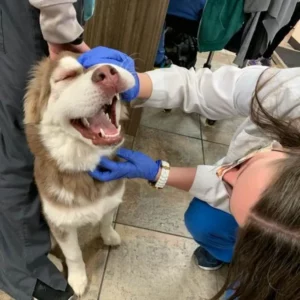

Dog Pharmacy in Scottsdale, AZ
When your dog needs medication, the prescription itself is only part of the process. You also need to know what the medication does, how to give it correctly, what side effects to watch for, and where to get reliable refills. At The Scottsdale Veterinary Clinic, we help owners manage dog medications with clear veterinary guidance from diagnosis through follow-up. Whether your dog needs antibiotics, antifungals, pain relief, parasite prevention, or long-term treatment for a chronic condition, we make sure the medication fits the individual patient. Our goal is to make Scottsdale dog medications safer, easier to understand, and easier to administer at home.
Dog Medications Are Used for Both Treatment and Prevention
Veterinary medications are part of everyday care for many dogs. Some are prescribed for short-term illnesses or injuries, while others are used preventively or taken long term to manage chronic conditions. Depending on what your dog needs, medication may come as a pill, liquid, ointment, injection, or another formulation that makes treatment more practical.
We regularly use medications for bacterial and fungal infections, pain, inflammation, parasites, coughing, vomiting, ear problems, and many other medical concerns. Preventive medications for fleas, ticks, and heartworm are another important part of routine veterinary care. We select the type, dose, and duration based on your dog’s diagnosis, size, health history, age, and any other medications already being used.
Common Types of Medication We Prescribe
There is no single medication that works for every dog or every symptom. Two dogs with similar signs may have very different underlying conditions, which is why proper diagnosis comes first. Once we understand what is happening, we can choose a treatment designed for that specific problem.
Common veterinary medications include:
- Antibiotics for appropriate bacterial infections
- Antifungal medications for fungal or yeast-related conditions
- Prescription pain medications
- Anti-inflammatory medications
- Flea and tick preventives
- Heartworm preventives
- Medications for vomiting or gastrointestinal problems
- Ear medications
- Seizure medications
- Long-term medications for chronic diseases
Some dogs need only a few days of treatment, while others may take medication every day for months or years. We explain how long treatment is expected to continue and whether follow-up testing will be necessary.
Side Effects Depend on the Medication
Many dog medications are well tolerated when used correctly, but side effects are still possible. Gastrointestinal upset is one of the more common concerns, particularly with certain antibiotics and antifungal medications. Dogs may develop nausea, vomiting, diarrhea, reduced appetite, or general stomach discomfort.
Some medications are better tolerated when given with a full meal, but that depends on the specific prescription. We will tell you whether your dog’s medicine should be given with food, on an empty stomach, or according to another schedule. If your dog develops concerning symptoms after starting treatment, contact us rather than simply changing the dose or stopping the medication without guidance.
Drug Interactions Are an Important Part of Safe Prescribing
Always tell us about every medication, supplement, or recent prescription your dog has received. This is especially important if you are seeing us after an emergency visit, traveling, or receiving care from more than one veterinarian. Certain medications can interact and alter how another drug is absorbed, increase side effects, or accidentally result in overlapping treatment.
Keeping a current medication list is one of the simplest ways to protect your dog. Include medication names, doses, and how frequently they are given, along with any past drugs that caused a bad reaction. Receipts or prescription labels can also be useful when you are away from home and need veterinary care unexpectedly.
Long-Term Medication Requires Ongoing Monitoring
Some dogs can safely take medication long term when the benefits outweigh the risks and appropriate monitoring is performed. Seizure disorders, arthritis, and other chronic conditions may require daily medication to maintain stability, comfort, or quality of life. Other medications are intended for short-term use after surgery, injury, or acute illness.
When long-term treatment is necessary, we may recommend periodic blood testing or other monitoring to make sure the medication remains appropriate. A dog’s health can change over time, so a dose that worked well six months ago may eventually need adjustment. Regular rechecks also give us a chance to evaluate whether treatment is still providing the expected benefit.
Never Give Human Medication Without Veterinary Guidance
Some human and veterinary medications share similar names or drug classes, but that does not mean the dosing is interchangeable. Dogs absorb and process medications differently, and common human pain relievers can cause serious gastrointestinal injury, kidney problems, or other complications when given incorrectly.
We strongly recommend speaking with us before giving your dog any human medication, over-the-counter product, or supplement. Even when a drug can occasionally be used in veterinary medicine, the safe dose may be very different from what is used in people. Getting veterinary guidance first is far safer than treating a symptom based on internet advice.
Making Medication Easier to Give at Home
Getting the right prescription does not help much if your dog refuses to take it. Fortunately, many dogs can be persuaded with a small amount of food or a soft treat. Peanut butter, pill pockets, and other soft foods can sometimes hide tablets effectively, provided those foods are appropriate for your dog’s diet and medical history.
Dogs with food allergies may need alternative options, so ask us before introducing a new treat for medication purposes. If food tricks do not work, a pill-administering tool can help place medication farther back in the mouth. We can also show you techniques for giving pills or liquids more safely and with less stress.
Why We Recommend Veterinary or Approved Pharmacy Refills
Whenever possible, we recommend obtaining refills through our clinic or a pharmacy we approve. This helps us verify the exact drug, strength, dosage, and prescribing history while also reducing concerns about counterfeit, mislabeled, expired, or improperly stored products from unreliable sources.
Some prescriptions can be sent to human pharmacies when appropriate, but the dosing still needs to be written specifically for your dog. Online pharmacies can also be convenient, but we recommend using only those connected with or approved by your veterinarian. Medication quality matters just as much as price, especially when your dog depends on the prescription for a chronic or serious condition.
Frequently Asked Questions
Yes, some dogs safely take medication every day for chronic conditions such as seizures or arthritis. We may recommend periodic blood work or rechecks so we can monitor effectiveness and watch for side effects over time.
Many are better tolerated with a meal because food can reduce stomach upset. The instructions vary by medication, so follow the directions we provide rather than assuming every prescription should be given the same way.
Call us if you are unsure how to handle a missed dose. The right response depends on the medication, timing, and prescribed schedule, and doubling the next dose is not always appropriate.
Not without veterinary direction. Several common human pain medications can cause gastrointestinal ulcers, kidney injury, or other serious problems in dogs, especially when the dose is not specifically prescribed for them.
We recommend our veterinary pharmacy or a pharmacy we have approved. This helps us confirm the correct medication and dosage while reducing the risk of questionable or counterfeit products from unreliable sources.
Get Clear Guidance for Every Prescription Your Dog Needs
Medication should help your dog feel better without leaving you confused about dosing, side effects, interactions, or refills. At The Scottsdale Veterinary Clinic, we connect every prescription to an appropriate veterinary evaluation and provide practical guidance for administering and monitoring dog medications at home. Whether your dog needs short-term treatment for an infection or ongoing medication for a chronic condition, we’re here to answer questions and adjust care when necessary. So for Scottsdale dog medications backed by veterinary oversight, call us at (480) 945-8484 and let our team help you manage your dog’s treatment with confidence.