


As a pet owner, seeing your pet not acting their normal self can be concerning. While shaking their head occasionally may not be of any concern, if it occurs repeatedly for an extended amount of time or is accompanied by additional changes- this could indicate underlying concerns. Understanding the potential causes, diagnostic steps, and treatment
Author: Scottsdale Veterinary Clinic
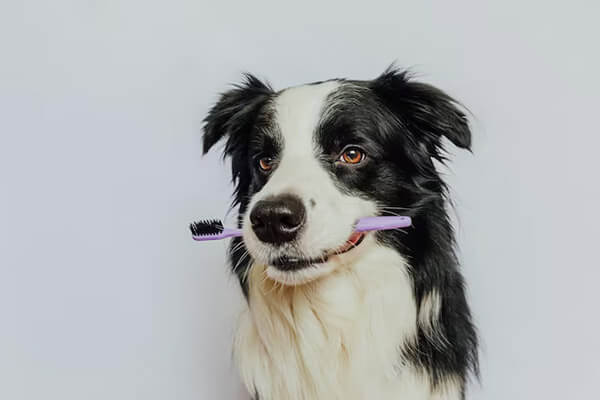
Periodontal Disease In Pets
Periodontal disease is directly related to the accumulation of tartar on your dog’s or cat’s teeth. As tartar is changing the environment in your pet’s mouth, these new bacteria begin affecting the periodontal ligaments. These ligaments are responsible for attaching the teeth to the bone. As bacteria gain access to these ligaments, the attachment is
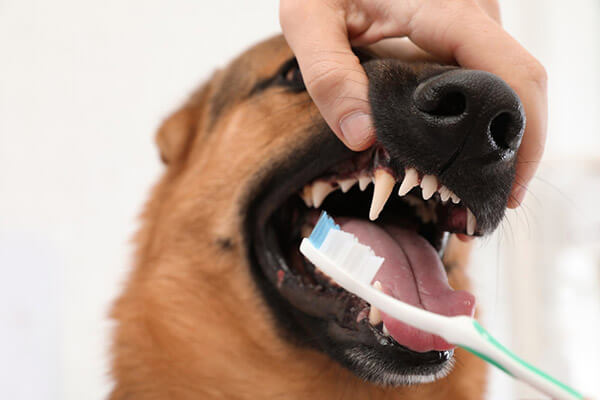
Pet Dental Care Recommendations
Good teeth and gums are very important to the health of your pet. The average animal lives 2-3 years longer with healthy teeth than those left with gingivitis and tartar. Not only does bad teeth cause bad breath, but plaque, tartar and gingivitis can lead to severe organ diseases such as heart, kidney and liver
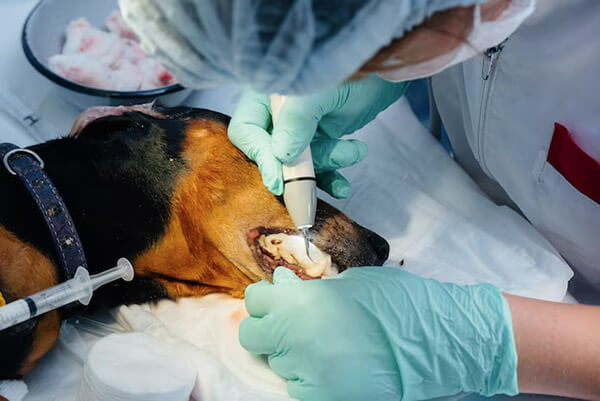
Pet Dental Cleaning: Anesthesia Vs Anesthesia Free
Anesthesia Free Dentals At TSVC we do not support or recommend anesthesia free dentals. While we cannot explain the purpose of cleaning your pet’s teeth to him/her, it is impossible to expect your pet to fully cooperate while we attempt to perform this service. Imagine someone holds you down to attempt to clean your teeth
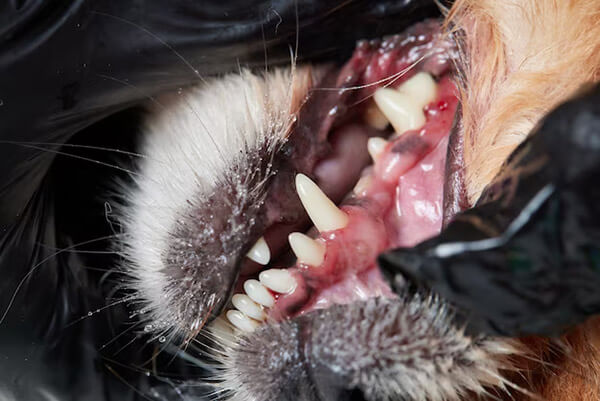
Pet Dental Tartar Grades
Pet Dental Care Dental disease begins with the accumulation of plaque on your dog’s or cat’s teeth. Plaque is the soft yellow material that is a mixture of food particles and bacteria. Over time, the plaque begins to harden and forms a mineralized material called tartar, or calculus. Before the plaque turns into tartar is