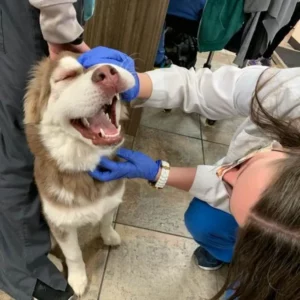

Dog Emergency Care in Scottsdale, AZ
When your dog suddenly becomes sick, injured, or starts showing signs that something is seriously wrong, quick action can make an important difference. At The Scottsdale Veterinary Clinic, our dog emergency care in Scottsdale is available is accepted any time for walk-in, for $120. Our urgent dog veterinarians evaluate sudden illness, trauma, breathing problems, seizures, toxin exposure, severe pain, and other time-sensitive conditions. We work to stabilize your dog, determine what is happening, and explain the next steps clearly so you can make informed decisions during a stressful situation.
What Counts as a Dog Emergency?
A veterinary emergency is any sudden condition that could seriously threaten your dog’s health, comfort, mobility, breathing, circulation, or ability to function normally. Some emergencies are easy to recognize, such as being hit by a car or suffering a major injury, while others may begin with less obvious symptoms that quickly become more serious.
Dogs may need urgent evaluation for severe bleeding, choking, difficulty breathing, nonstop coughing or gagging, seizures, broken bones, extreme pain, severe vomiting or diarrhea, toxin ingestion, eye injuries, or unconsciousness. Inability to urinate or pass stool, blood in the urine or feces, sudden blindness, severe abdominal swelling, and problems during labor can also require immediate veterinary attention.
Warning Signs That Should Not Be Ignored
Knowing what to watch for can help you respond sooner when your dog needs help. A pet that suddenly collapses, cannot stand, or struggles to breathe should be treated as an emergency, but more gradual signs can matter too. Repeated vomiting, worsening weakness, severe lameness, or a noticeable change in behavior may point to a significant problem.
Common warning signs include:
- Difficulty breathing, choking, or persistent gagging
- Severe or uncontrolled bleeding
- Repeated vomiting or diarrhea
- Abdominal swelling, bloating, or obvious pain
- Seizures or loss of consciousness
- Sudden inability to walk or stand
- Eye trauma or sudden vision changes
- Inability to urinate or defecate
- Blood in vomit, stool, or urine
- Severe pain or extreme anxiety
- Ingestion of a toxic substance
- Broken bones or major trauma
- Severe heat stress or heatstroke
- Refusal to drink for 24 hours or longer
If you are unsure whether your dog’s symptoms qualify as an emergency, call us. It is often safer to discuss the situation early than to wait and risk a condition becoming more difficult to treat.
Call Before You Arrive Whenever Possible
We recommend calling before bringing your dog in for emergency care. A phone call gives our team time to ask what happened, assess how urgent the situation sounds, and prepare for your arrival. It also lets us tell you whether there are medical records, medication bottles, toxin packaging, or other items that could help us treat your dog more efficiently.
Calling ahead can also help us prioritize patients appropriately. Emergency care is based on medical urgency, so a dog with a life-threatening breathing problem may need to be treated before a pet with a less critical injury. Knowing what is coming through the door helps our urgent dog veterinarians organize care more effectively.
What Happens During an Emergency Exam?
When your dog arrives, we begin by gathering as much information as possible. We want to know what happened, when symptoms started, whether they have worsened, what medications your dog takes, and whether any first aid has already been given. That history can be extremely useful, especially when the cause is not immediately obvious.
We then examine your dog and assess vital signs, hydration, circulation, breathing, pain, and any visible injuries. Depending on the situation, we may recommend blood work, X-rays, ultrasound, or other diagnostics to understand the severity of the problem. Stabilization may include IV fluids, oxygen support, pain medication, antibiotics, wound treatment, or other immediate therapies.
Emergency Treatment Depends on the Cause
There is no single treatment plan for a veterinary emergency because different conditions require very different responses. A dog with trauma may need wound repair or surgery, while a dog with respiratory distress may need oxygen and chest imaging. A urinary obstruction, foreign body, uterine infection, or ruptured spleen may require urgent surgical intervention.
Other treatments can include chest tube placement for a collapsed lung, endoscopy for certain swallowed objects, bladder stone removal, splenectomy, IV medications, antibiotics, and pain control. We tailor the plan to what your dog needs at that moment, with stabilization coming first whenever the condition is life-threatening.
First Aid Can Help, but It Does Not Replace Veterinary Care
Having a pet first aid kit at home is a smart way to prepare for unexpected injuries or illness. Useful supplies may include gauze, gloves, saline eye wash, bandaging materials, a digital thermometer, a flashlight, an Elizabethan collar, cold packs, tweezers, styptic powder, a blanket, and copies of vaccination and medical records.
If an emergency occurs, try to keep your dog calm, warm, and as still as possible, especially when trauma is suspected. Avoid giving human medications or attempting a treatment that could make the situation worse. First aid is meant to help during transport or while you are waiting for veterinary guidance, not to replace professional evaluation.
CPR Can Be Life-Saving in the Right Situation
CPR may be needed if your dog is not breathing and does not have a detectable heartbeat. Begin by checking for chest movement and a heartbeat, then start chest compressions if neither is present. For most dogs, compressions are performed at a rate of about 100 to 120 per minute, pressing the chest to approximately one-third to one-half of its width.
After 30 compressions, provide two rescue breaths by closing the dog’s mouth, extending the neck to open the airway, covering the nose with your mouth, and breathing until the chest rises. Continue cycles of compressions and breaths while arranging immediate transport to a veterinary hospital. Pet CPR training is one of the best ways to prepare before an emergency ever happens.
Why Fast Treatment Matters
The sooner a serious problem is evaluated, the more treatment options we may have. Delaying care can allow bleeding, dehydration, infection, toxin exposure, respiratory problems, or internal injuries to worsen. In some cases, waiting can mean a longer hospital stay, more complicated treatment, higher overall cost, and a poorer outcome.
Dogs also sometimes compensate well until they suddenly decline, which can make a condition appear less serious than it really is. If your instincts tell you something is wrong, especially when symptoms are sudden or severe, contact our team rather than waiting for a problem to resolve on its own.
Frequently Asked Questions
Our current emergency examination fee is $120. Additional charges may apply for diagnostics, medications, procedures, hospitalization, surgery, or other treatment depending on what your dog needs.
Emergency exams are available from 6:00 AM to 6:00 PM. If your dog is showing serious symptoms, call us as soon as possible so we can advise you on the next step.
Yes. Calling ahead allows us to prepare for your arrival and ask questions that help us understand how urgent the situation may be. It can also help us tell you what records or items to bring.
Difficulty breathing, uncontrolled bleeding, seizures, collapse, toxin ingestion, inability to urinate, severe pain, major trauma, or repeated vomiting are all reasons to seek urgent care. If you are unsure, call us for guidance.
Basic first aid may help temporarily, but it should never delay professional care. Contact us before giving medications or attempting treatment, especially if your dog is painful, frightened, or difficult to handle safely.
Get Emergency Help When Your Dog Needs It Most
Veterinary emergencies are stressful, but knowing where to turn and acting quickly can help protect your dog’s health. At The Scottsdale Veterinary Clinic, our emergency team evaluates sudden illness, trauma, breathing problems, seizures, toxin exposure, severe pain, and other urgent conditions with a focus on rapid assessment and clear communication. Emergency exams are accepted any time for walk-in, ranging from $94-$120. So if your dog is showing signs of a serious problem, don’t wait: just call us at (480) 945-8484 and let our team prepare for you and your dog’s arrival.