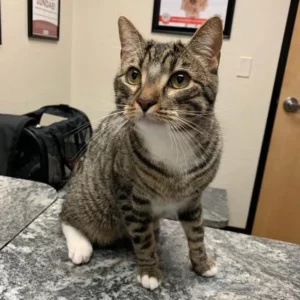

Cat Emergency Care in Scottsdale, AZ
When your cat is suddenly sick, injured, or acting in a way that makes you worry something is seriously wrong, fast veterinary attention can make a critical difference. At The Scottsdale Veterinary Clinic, emergency exams are accepted any time for walk-in, for $120. As a Scottsdale emergency cat veterinarian, we evaluate urgent symptoms, stabilize patients when necessary, perform diagnostic testing, and explain the next steps clearly. If you believe your cat is experiencing an emergency, call us immediately at (480) 945-8484 so our team can prepare for your arrival.
Knowing When Your Cat Needs Emergency Veterinary Care
Cats often hide pain and illness extremely well, which can make it difficult to know when a problem has crossed the line from something that can wait to something that needs immediate attention. A cat that suddenly stops eating, becomes extremely weak, struggles to breathe, cannot urinate, or begins bleeding should not be monitored at home for several days. Even symptoms that initially seem mild can become more serious quickly, especially when they involve breathing, circulation, urinary function, trauma, or suspected toxin exposure.
If you are unsure whether your cat’s condition qualifies as an emergency, we encourage you to call rather than guess. Our team can listen to what is happening, ask relevant questions, and help you determine how urgently your cat should be evaluated. Prompt communication also gives us time to prepare for your cat’s arrival if immediate treatment is recommended.
Common Cat Emergencies We Evaluate
Some emergencies are obvious, such as major trauma, while others develop through symptoms that are easier to overlook. Our emergency cat vet team sees a wide range of urgent concerns, and the first priority is always understanding how stable your cat is and whether immediate intervention is needed.
Common emergencies may include:
- Difficulty breathing or respiratory distress
- Urinary tract blockages
- Traumatic injuries
- Heart-related emergencies
- Infected wounds
- Suspected poisoning or toxin exposure
- Severe gastrointestinal distress
- Persistent vomiting or diarrhea
- Inability to pass urine or stool
- Significant bleeding
- Severe weakness or collapse
- Fever
- Sudden loss of appetite with other concerning symptoms
This is not a complete list, and cats can show serious illness in many different ways. If your cat’s condition changes suddenly or their behavior makes you concerned, contacting our clinic promptly is always the safer choice.
Why Urinary Blockages Require Immediate Attention
One of the most serious feline emergencies is an inability to urinate. Male cats are especially at risk for urinary blockages, and a blocked cat may repeatedly visit the litter box, strain without producing urine, cry out, lick excessively at the genital area, or become increasingly lethargic. A true blockage can become life-threatening quickly because toxins and electrolyte imbalances can build up when urine cannot leave the body.
If your cat is straining to urinate or you are not sure whether urine is being produced, do not wait to see if the problem resolves overnight. Call us immediately so we can determine whether your cat needs urgent evaluation. Rapid treatment can reduce the risk of severe complications and give us a better chance of stabilizing the problem before it progresses.
What Happens When You Arrive for Emergency Care
When you arrive, we first gather information about what happened, when symptoms started, how they have changed, and whether any treatment has already been given. Details such as possible toxin exposure, recent trauma, changes in eating or urination, current medications, and existing medical conditions can help us move more quickly toward a useful assessment. Bringing available medical records can also be helpful, especially if your cat has recently been treated elsewhere.
Our team then examines your cat and checks vital signs while looking for dehydration, blood loss, visible injuries, breathing abnormalities, pain, weakness, or other signs of instability. Depending on what we find, we may recommend immediate medications, oxygen support, fluids, pain control, blood work, X-rays, or other diagnostic testing. Once we have enough information, we explain the likely problem, treatment options, and what should happen next.
Diagnostic Testing During a Cat Emergency
Emergency symptoms can sometimes have several possible causes, which is why diagnostic testing may be necessary before we can recommend the right treatment. Blood work can help us evaluate hydration, infection, organ function, blood cell counts, and other internal changes that may not be visible on the outside. X-rays may be useful when we are concerned about trauma, obstruction, internal disease, or other structural problems.
Our goal is not to perform every possible test. We choose diagnostics based on what your cat’s symptoms and examination findings suggest, then use those results to guide treatment. In some cases, the diagnosis becomes clear quickly, while other situations require additional monitoring or a more detailed workup before we know the full picture.
Call Before You Arrive Whenever Possible
Calling ahead is one of the most helpful things you can do during a veterinary emergency. It gives us a chance to understand the situation, tell you whether your cat needs to be seen immediately, and prepare our team and equipment before you arrive. It also gives you the opportunity to ask whether you should bring medical records, medication bottles, toxin packaging, or other useful information.
Try to remain as calm as possible while transporting your cat. Cats can become frightened or defensive when they are in pain, so a secure carrier is usually the safest way to move them. If your cat is injured, breathing poorly, or difficult to handle, call us for guidance before attempting anything that could cause additional stress or put you at risk of being bitten or scratched.
First Aid Can Help, but It Does Not Replace Veterinary Care
Basic first-aid supplies can be useful while you are getting your cat to professional care. Gauze, nonstick bandages, adhesive tape designed for bandaging, a digital thermometer, and an eye dropper can all be practical items to keep on hand. However, home first aid should never delay veterinary evaluation when your cat is seriously ill or injured.
Cats may react very differently when they are frightened, painful, or sick, even if they are normally calm. Avoid forcing treatment or restraint if doing so could cause injury to you or your cat. Human medications and some household products can also be dangerous to cats, so do not administer anything unless a veterinarian specifically instructs you to do so.
CPR and Life-Threatening Emergencies
If your cat stops breathing or no heartbeat can be detected, CPR may be necessary while you are transporting them to emergency care. Pet CPR training is the best way to prepare for this kind of situation because technique matters, and an emergency is not the ideal moment to learn it for the first time. If you ever need to perform CPR, the basic approach involves checking for breathing and a heartbeat, beginning chest compressions if neither is present, and providing rescue breaths.
For adult cats, compressions are performed over the chest at the level of the heart, while very small kittens require gentler technique. The goal is to continue CPR while getting veterinary help as quickly as possible. Even when CPR is started at home, professional emergency treatment is still necessary because the underlying cause must be identified and addressed.
Prompt Treatment Can Protect Your Cat’s Health
The sooner a serious problem is evaluated, the more options we often have for stabilization and treatment. Delaying care can allow dehydration, blood loss, toxin exposure, urinary obstruction, respiratory distress, or other conditions to progress to the point where recovery becomes more difficult. Because cats tend to conceal weakness, a pet that suddenly appears visibly ill may already be dealing with a significant problem.
That is why we encourage owners to trust their instincts when something feels wrong. If your cat is breathing differently, refusing food, unusually weak, unable to urinate, bleeding, vomiting repeatedly, or simply behaving in a way that is far outside normal, call us. It is better to ask a question early than wait until the condition becomes more severe.
Frequently Asked Questions
Emergency exams are accepted any time for walk-in for $120. Additional diagnostics, medications, procedures, hospitalization, or other treatments are priced separately depending on what your cat needs.
Emergency examinations are available from 6:00 AM to 6:00 PM. If your cat is experiencing a serious problem, call us at (480) 945-8484 so we can advise you on the appropriate next step.
Yes. Calling ahead helps us prepare for your arrival, gather important information, and tell you whether there are records, medications, or other items you should bring with you.
Difficulty breathing, inability to urinate, major trauma, severe weakness, persistent vomiting, bleeding, toxin exposure, or collapse should all be treated as urgent concerns. If you are uncertain, call us for guidance.
Basic first aid may sometimes help temporarily, but it should never replace veterinary care. Do not give human medications or attempt treatment that could put you or your cat at risk without veterinary guidance.
Get Emergency Help for Your Cat When Every Minute Matters
When your cat is facing a medical emergency, you need clear guidance, fast evaluation, and a veterinary team that can focus on what matters most right away. At The Scottsdale Veterinary Clinic, emergency exams are accepted any time for walk-in. We evaluate urgent concerns including breathing problems, urinary blockages, trauma, toxin exposure, bleeding, gastrointestinal distress, and sudden weakness. We also always work quickly while keeping you informed about diagnostics, treatment, and next steps. So if you believe your cat needs emergency care, call our team at (480) 945-8484 immediately so we can help.